A Designer's Take on the Football American Flag SVG
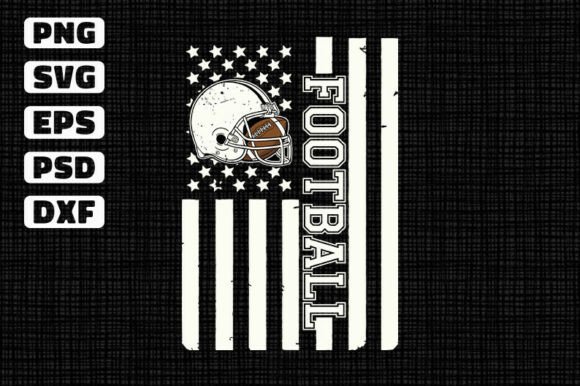
Whenever I’m looking at a new design to incorporate into my embroidery work—whether it’s for a client’s custom order or a new product for my small shop—my first question is always about character. Does this design have a clear visual personality? The Football American Flag SVG, as it's often listed, immediately presents a strong, familiar mood. It’s patriotic and sporty, of course, but more specifically, it feels celebratory and unifying. The merged themes create a layout that’s bold and graphic, not overly fussy. This isn’t a subtle, intricate illustration; it’s a statement piece. That tells me right away that it belongs on projects where you want the embroidery to be the focal point, the thing that grabs attention and sparks a smile.
Where This Design Finds Its Perfect Home
In my hands, this design naturally calls out for robust, casual applications. I picture it on a heavyweight cotton sweatshirt for a youth sports team fundraiser, or centered on the back of a canvas tote bag for a craft fair. It has the scale and simplicity to look excellent on a child’s hoodie or as a large, standalone patch on a denim jacket. The graphic nature makes it a fantastic candidate for a personalized gift, like an apron for a grill master dad or a pillow cover for a college student’s dorm room. Because the elements are clear and recognizable, it carries a high degree of giftability—people instantly understand the sentiment.
For commercial embroidery, say for a small business selling at a boutique or through Etsy, this design translates into merchandise with quick recognition. Think embroidered caps for a Friday night football game, or tea towels for a tailgating-themed kitchen. It would work beautifully on a fleece blanket as a holiday gift. The key is that the finished product feels cohesive; the design’s personality aligns perfectly with the item’s use. It wouldn’t feel right on a delicate blouse, but it’s ideal for the kind of apparel and decor that’s meant for relaxed, proud, and communal settings.
Navigating the Practicalities of Stitching It
Moving from the idea to the actual embroidery project requires some practical thinking. With a design that combines shapes like a football and flag stripes, I’m immediately considering stitch density and clarity. The stripes, in particular, will need clean, satin stitch borders or a solid fill stitch to maintain their crispness. On a curved surface like a cap, the elongated shape of the football might need slight adjustment in the digitizing to prevent distortion, so testing on scrap fabric first is crucial.
This design would shine on medium to larger hoop sizes. Attempting to shrink it down too much for a tiny baby item could compromise the readability of the combined elements, especially if any small lettering is included. It’s a design that benefits from space. Fabric choice matters too. On textured fabrics like some sweatshirt materials, a good stabilizer is non-negotiable to keep the fill stitches smooth. On dark fabric backgrounds, you’ll need to carefully review thread color contrast—the white stripes and likely the football’s lighter areas must pop without getting lost.
Considerations for a Professional Finish
For my business, the visual appeal of the finished product directly impacts customer trust and the perceived value of a handmade item. A design like this, when embroidered well, looks confident and professional. It suggests that the maker understood the theme and executed it with care. However, there are details to inspect. The points where the flag and football meet—are those corners clean in the embroidery file? Dense stitch areas should be balanced to avoid puckering on thinner fabrics like some t-shirts. I always advise running a test on both a light and dark scrap, and even checking it in a black-and-white mockup to truly see the form separate from color.
Since the product description mentions compatibility for various uses like sublimation and vinyl, it’s clearly intended as a versatile graphic. For embroidery designers, this means the core vector shapes are likely well-defined, which is a good foundation for clean digitizing. But it’s essential to remember: an SVG file is a starting point. For machine embroidery, you must create a proper embroidery file with the correct stitch types, densities, and underlay. Never assume an SVG is directly machine-ready for embroidery without this conversion.
Embroidery Designer Notes for Real Projects
Let’s walk through a real-life scenario. I’m preparing a custom embroidered tote bag for a client who wants a gift for her son’s football coach. She’s chosen this Football American Flag design. My process starts with confirming the licensing—can I use this for a commercial, finished product? Once clear, I’ll digitize it for embroidery, focusing on robust fill stitches for the flag and perhaps a textured running stitch or satin stitch for the football seams to add dimension.
I’ll hoop a piece of similar canvas material and test. I’m looking for two things: does the design hold its bold, graphic feel when stitched, and are there any tension issues? After a successful test, I’ll consider thread colors. Maybe using a slightly deeper red for the stripes and a crisp white to ensure contrast. The final embroidery on the tote bag will be large, central, and unapologetically proud. It’s a design that doesn’t whisper; it announces. For that coach, the finished product will feel substantial and thoughtfully made.
For makers selling finished items, this design boosts buyer engagement because it’s easily understood and emotionally resonant. It fits a niche—sports patriotism—perfectly. For digital product sellers offering the graphic itself, providing clear notes on its suitability for conversion to embroidery, and perhaps even offering a pre-digitized version, would be a huge value-add for the embroidery community.
Final, Friendly Advice Before You Hoop
My overall judgment is that this Football American Flag SVG is a strong, versatile graphic with excellent potential for embroidery projects that call for a bold, celebratory statement. Its success hinges on your skill in translating it into a quality embroidery file and choosing the right fabric and application. Avoid very small hoop sizes, stretchy fabrics without proper stabilization, and items with curved surfaces unless you test and adjust. Embrace it for casual apparel, home decor, gifts, and merchandise where its spirit matches the product’s purpose.
Always test on scrap first. Check those small details. Use proper stabilizer. Think about thread contrast. And most importantly, confirm the licensing for your intended use—whether it’s a personal gift or a commercial embroidery project for your small shop. Done well, this design will stitch up into a product that feels both handmade and professionally polished, a combination that keeps customers coming back.